
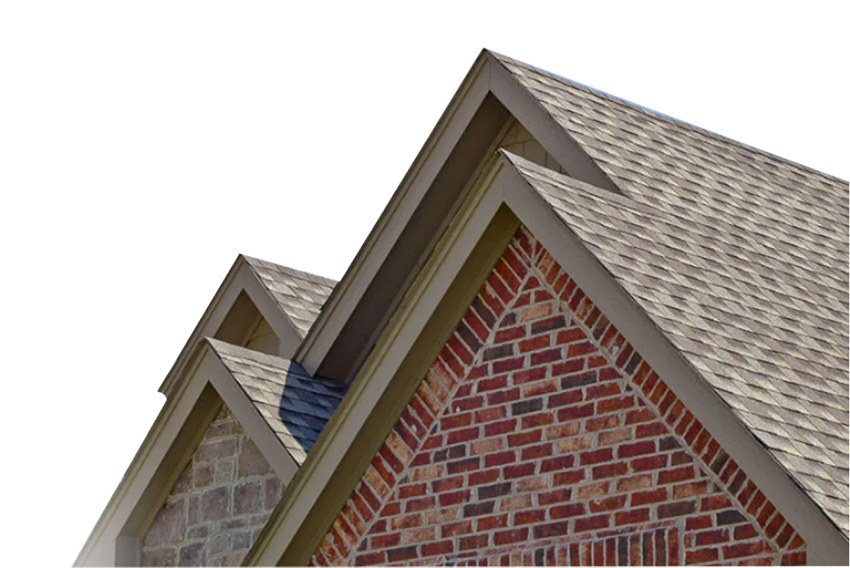

5 Fall Roof Maintenance Tasks Homeowners Should Not Skip
Fall is an important time for Maryland homeowners to pay attention to their roofs. After months of summer heat, humidity, and thunderstorms, roofing materials may show signs of wear just as colder weather approaches.
September often offers a useful opportunity to evaluate your roof before leaves accumulate and winter conditions arrive. Moderate fall weather can also make it easier to plan professional inspections and necessary repairs.
While not every roof needs extensive maintenance each year, a few seasonal checks can help homeowners recognize developing problems before they become more disruptive.
Here are five roof maintenance tasks worth prioritizing during the fall.
1. Check for Missing, Loose, or Damaged Shingles
Shingles are an important part of your roof’s protection against rain, wind, and other weather conditions.
Over time, exposure to sunlight, temperature changes, and storms can cause roofing materials to deteriorate. Strong winds may loosen shingles, while aging materials may begin to curl, crack, or lose protective granules.
Before winter, take a few minutes to observe your roof from a safe location on the ground.
Look for shingles that appear missing, lifted, cracked, or uneven. You may also notice roofing debris around your property after a storm.
If you have asphalt shingles, granules collecting near downspouts can be another detail worth mentioning during an inspection. Some granule loss occurs naturally as shingles age, but significant or sudden changes may warrant attention.
Avoid climbing onto your roof to investigate suspicious areas. Roofing surfaces can be steep, slippery, and difficult to navigate safely.
If you notice visible damage, professional roof repair services can help determine whether individual shingles need attention or whether the problem involves a larger area.
2. Inspect Gutters and Downspouts Before Leaves Accumulate
Your gutters and downspouts are closely connected to your roof’s overall drainage performance.
During the fall, leaves, twigs, and other debris can accumulate in gutters, particularly around homes with mature trees.
When water cannot move through the system properly, it may overflow along the roofline, run down siding, or collect near the foundation.
Repeated moisture exposure can also contribute to deterioration around fascia boards and other exterior components.
Before heavy leaf accumulation begins, look for visible debris, sagging sections, loose attachments, and downspouts that discharge water too close to the house.
During rainfall, observe whether water flows through the system or spills over the gutter edges.
If your gutters continue overflowing even after cleaning, the problem may involve a hidden downspout blockage, improper slope, or another drainage issue.
Fall gutter maintenance is especially useful because water trapped in vulnerable sections may freeze when temperatures drop, potentially placing additional stress on the system.
For more information about how drainage issues can affect your home’s exterior, read our spring exterior maintenance checklist for Maryland homeowners.
3. Pay Attention to Flashing Around Chimneys, Vents, and Skylights
Not every roof leak begins with damaged shingles.
Some of the most vulnerable areas of a roofing system are the places where the roof meets another structure or where something passes through its surface.
These locations may include chimneys, plumbing vents, skylights, and roof valleys.
Flashing is installed around roof transitions to help direct water away from joints and prevent moisture from entering vulnerable areas.
Over time, flashing can become loose, corroded, damaged, or separated from surrounding materials.
From the ground, you may be able to spot visibly displaced metal or other obvious changes around roof penetrations. However, many flashing problems cannot be identified reliably without a closer professional inspection.
Inside your home, water stains near a chimney, skylight, or ceiling vent may indicate a possible leak.
If you’ve noticed these symptoms, make a note of where they occur and whether they appear after heavy or wind-driven rain.
A professional roofer can evaluate the flashing and surrounding materials to determine whether repairs are necessary.
For additional information about skylight-related weather concerns, see our article on how Maryland summer thunderstorms can damage skylights.
4. Look for Moisture Problems in Your Attic
Your attic can provide important clues about the condition of your roofing system.
If the space is safely accessible, look for water stains on roof decking, damp insulation, visible mold-like growth, or unusual moisture around structural components.
A persistent musty smell may also suggest that moisture is accumulating somewhere in the attic.
However, not every attic moisture problem is caused by a roof leak.
Warm, humid indoor air can enter the attic and condense on cooler surfaces, particularly when air sealing or ventilation is inadequate.
Bathroom exhaust fans that discharge into attic spaces rather than outdoors can also contribute to moisture problems.
Because condensation and roof leaks can sometimes produce similar symptoms, identifying the underlying cause is important before deciding on repairs.
Avoid entering attic areas with unstable flooring, exposed wiring, or other hazards. Never step between ceiling joists, where the ceiling material may not support your weight.
If access is difficult or you notice signs of extensive moisture, arrange for an appropriate professional evaluation.
Checking the attic during fall can help identify concerns before colder weather increases the potential for condensation on roof surfaces.
5. Address Necessary Roof Repairs Before Winter
One of the most practical reasons to evaluate your roof in September and October is to identify repairs that should be completed before winter weather arrives.
Maryland winters can bring freezing temperatures, rain, snow, and repeated temperature changes.
Existing weaknesses in a roofing system may become more noticeable when these conditions occur.
A missing shingle, damaged flashing, or localized leak doesn’t always mean the entire roof needs replacement.
Depending on the roof’s age and overall condition, individual repairs may be sufficient.
However, delaying necessary work can allow water intrusion to continue and potentially affect insulation, roof decking, ceilings, and interior finishes.
If you’ve noticed recurring leaks, storm damage, or visible signs of aging, consider scheduling a professional inspection before winter.
Ask your contractor to explain which issues require immediate attention, which can be monitored, and whether the roof’s overall condition suggests that replacement planning may be appropriate.
Fall can also be a useful time to review previous maintenance records and identify problems that have occurred repeatedly.
Why September and October Are Good Times for Roof Maintenance
Maryland’s early fall weather often provides a practical window for roofing inspections and repairs.
Compared with the hottest summer days or periods of winter freezing, moderate fall conditions may make certain roofing work easier to schedule and complete, depending on weather and material requirements.
It’s also an opportunity to evaluate damage from summer storms before additional seasonal weather arrives.
Homeowners who identify concerns early may have more flexibility to discuss repair options and plan work rather than waiting until an active leak requires urgent attention.
A fall maintenance routine doesn’t need to involve extensive work every year. The goal is to understand your roof’s condition and respond appropriately when signs of damage appear.
Even simple observations from the ground, combined with periodic professional assessments, can help you make better-informed decisions about your home.
Prepare Your Roof for Winter With Walter Brown Services
Walter Brown Services provides roofing inspections, maintenance, repairs, and replacement services for homeowners throughout Howard County and surrounding Maryland communities.
Whether you’ve noticed damaged shingles, signs of a roof leak, or other concerns following summer storms, their team can evaluate your roofing system and recommend appropriate next steps before colder weather arrives.
To request a free estimate for your Maryland home, call (410) 796-4322 or contact Walter Brown Services online.
