
Why Your Gutters Overflow Even After Cleaning: Common Causes and Solutions
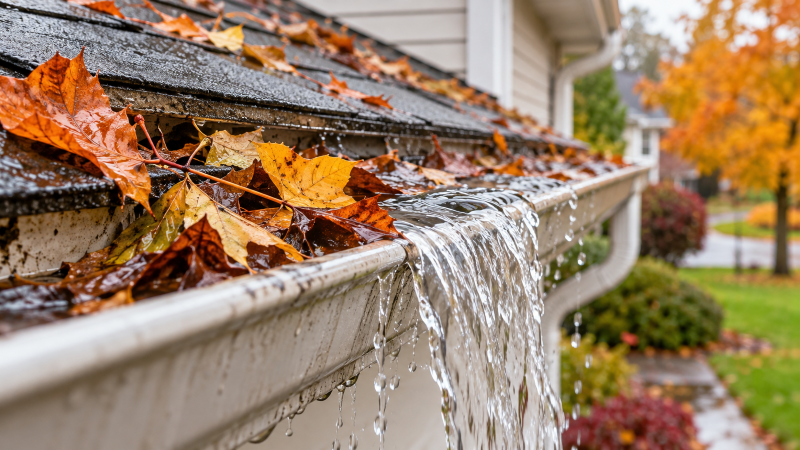
You recently had your gutters cleaned, but during the next heavy rain, water started spilling over the edges again. If this sounds familiar, you’re not alone. While leaves and debris are common causes of gutter overflow, they aren’t the only reasons a gutter system may struggle to manage rainwater.
In Maryland, fall often brings a combination of falling leaves, steady rainfall, and occasional heavy storms. Gutters play an important role in directing that water away from your home’s roofline, siding, and foundation.
If your gutters continue overflowing despite regular cleaning, the problem may involve their slope, downspouts, positioning, or overall condition. Understanding these potential causes can help you determine when additional maintenance or professional repairs may be necessary.
Hidden Blockages May Still Be Inside Your Downspouts
A gutter can look completely clean from above while a blockage remains hidden inside its downspout.
Downspouts carry rainwater from the gutters to the ground, but leaves, twigs, roofing granules, and other debris can accumulate inside them. Elbows and bends are especially common places for material to become trapped.
When a downspout becomes partially or completely blocked, water may back up into the gutter and eventually spill over its edges.
One clue is the amount of water exiting the downspout during rainfall. If water is overflowing from the gutter but very little is coming out of the downspout, a hidden obstruction may be contributing to the problem.
From a safe location on the ground, observe the drainage pattern during a normal rainstorm. Avoid attempting to reach elevated gutter sections or dismantle downspouts while standing on a ladder.
A professional can check for obstructions and determine whether additional cleaning or repairs are needed.
Improper Gutter Slope Can Prevent Water From Draining
Gutters may appear perfectly level when viewed from the ground, but they actually need a slight slope toward their downspouts.
Without the correct pitch, rainwater can collect in low areas rather than flowing through the system. Over time, standing water may encourage additional debris buildup and place unnecessary weight on the gutter supports.
Improper slope can result from installation issues, loose hangers, or gradual movement of the gutter system.
You might notice water remaining in certain sections long after rainfall has stopped. In other cases, one area may overflow while the rest of the gutter system drains normally.
Correcting the issue may involve adjusting the gutter pitch or repairing its supports. However, the appropriate solution depends on the gutter’s condition and the surrounding roof-edge materials.
If the problem keeps returning, a professional inspection can help determine whether the system needs adjustment or more extensive work.
Your Gutters May Be Too Small for Heavy Rainfall
Not all gutter systems have the same drainage capacity.
The amount of water a gutter needs to handle depends on several factors, including the size and pitch of the roof, the area draining into each gutter section, and the number and placement of downspouts.
During a heavy Maryland thunderstorm, water may move off the roof faster than an undersized gutter system can carry it away.
This can cause overflow even when the gutters are clean, properly attached, and free of visible damage.
A useful clue is whether overflow happens only during intense rainfall. If the system works during light rain but struggles during stronger storms, drainage capacity may be part of the problem.
However, replacing the entire gutter system isn’t always the only option. Depending on the layout, improvements to downspout placement or drainage configuration may help.
Walter Brown Services offers gutter installation, repair, and replacement services for homeowners who need help evaluating their existing systems.
Water May Be Overshooting the Gutters
Sometimes the problem isn’t that water cannot leave the gutter. It’s that the water never enters it properly.
Gutters must be positioned to collect rainwater as it flows from the roof edge. If they are installed too low, too far away from the roofline, or at an unsuitable angle, water may flow over the front edge.
This can become particularly noticeable during heavy rainfall, when water moves quickly across the roof surface.
Problems involving the roof’s drip edge or the relationship between roofing materials and gutters may also affect how water enters the system.
From the ground, observe whether water is flowing directly over the front of the gutter or escaping behind it.
These patterns can point to different underlying issues.
A professional can evaluate the roof edge and gutter placement to determine whether repositioning or other corrections would improve drainage.
Sagging or Damaged Gutters Can Interrupt Water Flow
A gutter system depends on consistent alignment and secure attachment to function properly.
When a section begins to sag, bend, or pull away from the fascia, rainwater may collect in unintended areas.
Sagging can develop because of loose hangers, accumulated debris, repeated water buildup, or deterioration of the materials supporting the gutters.
Visible warning signs may include uneven gutter sections, gaps between the gutters and fascia, or water spilling from a specific location.
Minor damage may be repairable, particularly when the surrounding materials remain in good condition.
However, widespread deterioration or repeated attachment problems may indicate that part of the system needs replacement.
If you’re unsure whether repairs are sufficient, a professional evaluation can help identify the most practical solution.
Why Repeated Gutter Overflow Matters
Gutter overflow is more than an inconvenience during a rainstorm.
When rainwater isn’t directed away from your home, it may run down exterior walls, saturate trim, or collect near the foundation.
Over time, repeated moisture exposure can contribute to deterioration around fascia boards, siding, and other exterior components.
Water collecting near the foundation may also increase the likelihood of drainage problems around the home.
These problems don’t necessarily occur after a single storm, but recurring overflow deserves attention.
For additional seasonal guidance, see our article on spring exterior maintenance for Maryland homeowners, which explains how roof, gutter, and exterior drainage checks work together.
Addressing gutter problems during the fall can be especially useful before colder temperatures introduce the possibility of freezing water and ice buildup.
When Should You Call a Gutter Professional?
If your gutters continue overflowing after cleaning, pay attention to when and where the problem occurs.
Does the overflow happen during every rainfall or only during heavy storms? Is one section affected, or does water spill over several areas? Are the downspouts draining normally?
These observations can help a contractor identify potential causes.
A professional assessment may reveal hidden blockages, incorrect slope, damaged supports, poor gutter positioning, or insufficient drainage capacity.
Depending on the findings, the solution might involve cleaning, adjustments, repairs, or replacement.
The important step is identifying the underlying issue rather than repeatedly cleaning gutters that are already clear.
Keep Your Gutters Working Properly With Walter Brown Services
Walter Brown Services provides professional gutter cleaning, repairs, installation, and replacement for homeowners throughout Howard County and surrounding Maryland communities.
If your gutters continue overflowing after cleaning, their team can evaluate the system and recommend appropriate solutions to improve drainage and protect your home’s exterior.
To request a free estimate for your Maryland home, call (410) 796-4322 or contact Walter Brown Services online.
