
Planning Skylights for Shorter Fall Days in Maryland
As September arrives and daylight hours begin to shorten across Maryland, rooms that felt bright throughout the summer may start needing artificial lighting much earlier in the day. If you’ve been considering adding a skylight, this is an ideal time to evaluate where natural light could improve your home’s comfort and functionality.
A successful skylight project begins long before installation day. The room you choose, your roof’s layout, the type of glazing, and available shading options all influence the final result. Planning these elements together can help you maximize natural light while maintaining comfort throughout Maryland’s changing seasons.
Start With the Room You Want to Brighten
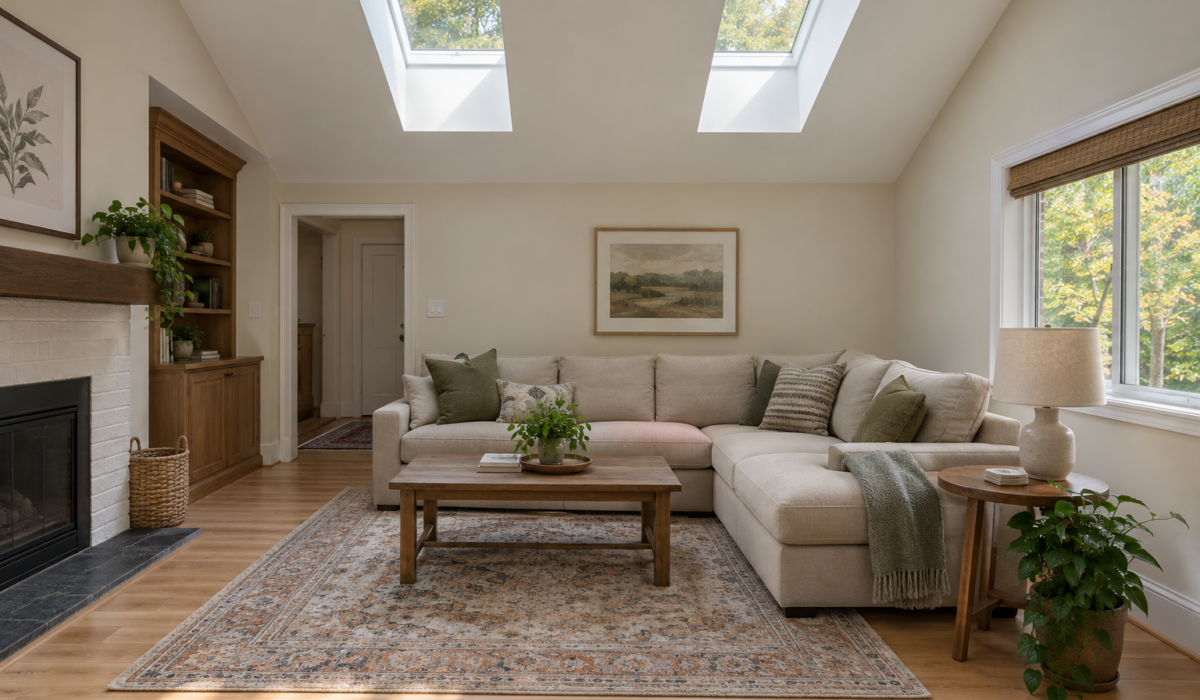
Begin by identifying a specific area of your home that could benefit from additional daylight. Perhaps your kitchen island feels dim throughout the afternoon, or the center of your family room receives very little natural light despite having several windows. In homes surrounded by mature trees throughout Howard County and surrounding areas, an overhead skylight may provide an effective way to introduce more daylight where traditional windows cannot.
Spend a few days observing how sunlight moves through the room. Notice when it feels too dark and think about how you use the space—whether you’re cooking, reading, working, or relaxing. A skylight above a dining table serves a different purpose than one positioned near a television or computer, where direct sunlight could create unwanted glare.
Sharing these observations with your contractor during the estimate helps determine the most appropriate skylight size and placement for your home’s layout.
Consider the Path From the Roof to the Ceiling
The ceiling you see indoors is only one part of the installation. Rooms located directly beneath a sloped roof are typically more straightforward than rooms separated from the roof by attic space. In homes with flat ceilings, a finished light shaft may be required to carry daylight from the roof opening into the room below.
Roof framing, attic space, HVAC ducts, plumbing vents, and electrical wiring can all influence where a skylight can be installed. Your contractor can explain which locations are practical while minimizing structural changes.
It’s also helpful to discuss what is included in the installation. Ask whether drywall finishing, painting, trim work, and cleanup are part of the estimate so you have a complete understanding of the project from beginning to end.
Balance Natural Light With Comfort
A larger skylight doesn’t always produce a better result. Roof orientation, roof slope, nearby trees, and the room’s layout all affect how sunlight enters your home.
North-facing skylights generally provide softer, more consistent daylight throughout the day, while east-, south-, or west-facing skylights may introduce stronger direct sunlight during certain hours. Maryland’s changing seasons also affect both the intensity and angle of the sun, making thoughtful placement especially important.
Today’s skylights offer a variety of glazing options designed to improve comfort and energy performance. Depending on the product you choose, specialized glass coatings can help reduce ultraviolet rays and unwanted solar heat while still allowing abundant natural light inside.
If your skylight will be installed in a bedroom, media room, or another space where controlling brightness is important, ask about interior shades or blinds. For skylights installed beyond normal reach, discuss available operating options and features before making a final decision.
Rather than assuming additional daylight will automatically reduce your home’s overall energy costs, ask your contractor how the proposed skylight system is designed to perform in your specific space.
Decide Whether a Venting Skylight Makes Sense
Not every skylight is designed to open.
Fixed skylights are ideal when the primary goal is bringing additional daylight into a room. Venting skylights provide that same natural light while also allowing fresh air to circulate when weather conditions permit.
Bathrooms, kitchens, and upper-story rooms often benefit from additional ventilation, while other living spaces may only require extra daylight. Consider how frequently you’ll use the venting feature before making your decision.
If you’re selecting a venting model, ask how it operates and what features are included. Some products may offer manual operation, while others provide electric controls, remote operation, rain sensors, or integrated shades. Because features vary by manufacturer and model, it’s best to confirm exactly what is included in your proposal.
Plan the Project as a Whole
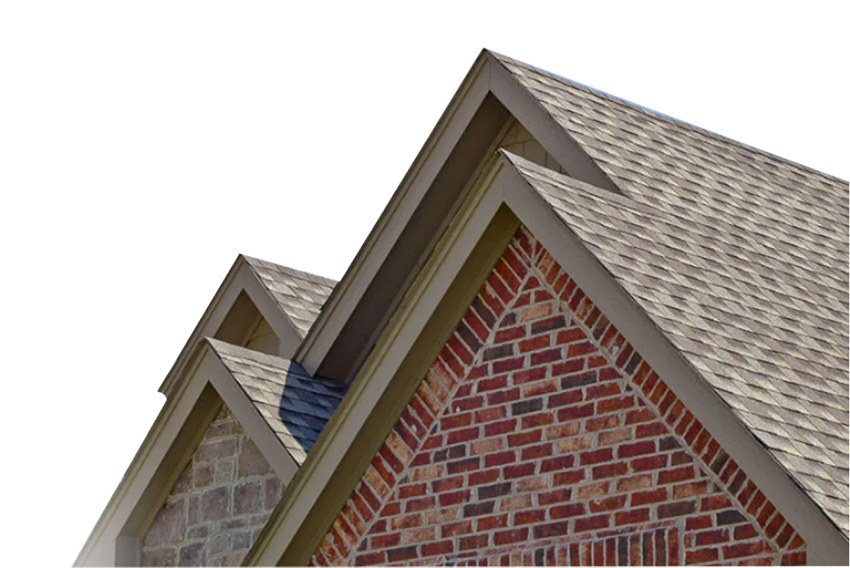
A skylight should always be considered as part of your overall roofing system rather than as a standalone improvement.
If your roof is approaching the end of its service life or you’re already considering a roof replacement, discuss both projects together before finalizing the skylight location. Completing both at the same time can often simplify installation and help ensure all roofing components work together effectively.
September is also an excellent time to begin planning. Starting the conversation early gives you time to compare products, review installation options, and schedule work before winter weather arrives.
Explore Skylight Options With Walter Brown Services
Walter Brown Services provides Skylight Installation services for homeowners throughout Howard County and surrounding areas. Whether you’re looking to brighten a single room or incorporate more natural light into your home, their experienced team can help evaluate your roof, discuss available options, and recommend a solution that fits your goals.
Bring room photos and notes about how natural light changes throughout the day to your consultation. These details help create a skylight plan tailored to your home’s unique layout.
To request a free estimate for your Maryland home, call (410) 796-4322 or contact Walter Brown Services online.
