
How Late Summer Storms Can Impact Your Roof in Maryland
As summer begins to wind down, many homeowners look forward to cooler temperatures and the arrival of fall. However, August remains one of the most active months for severe weather in Maryland and surrounding areas. Heavy rain, strong winds, frequent thunderstorms, and occasional tropical weather systems can all take a toll on your home’s exterior—especially your roof.
While some storm damage is immediately noticeable, many roofing problems develop gradually and may not become apparent until water begins leaking into your home. Understanding how late summer storms affect your roof can help you identify problems early and avoid more costly repairs.
Why Late Summer Weather Can Be Hard on Your Roof
August weather in Maryland often brings a combination of high humidity, intense rainfall, and gusty winds. Even a well-maintained roof experiences added stress during repeated storms.
Some of the most common weather-related risks include:
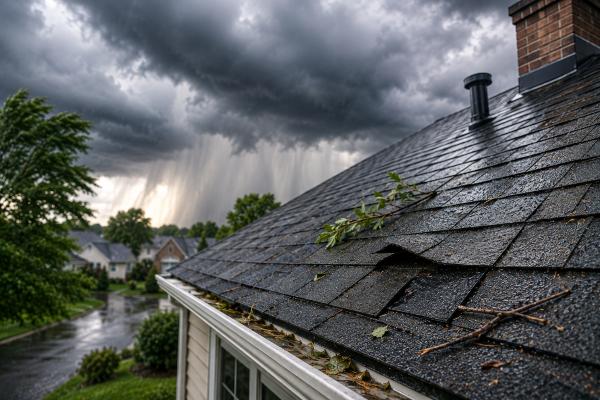
- Strong wind gusts that loosen or lift shingles
- Wind-driven rain that penetrates small gaps around flashing or vents
- Fallen branches and flying debris that damage roofing materials
- Heavy rainfall that overwhelms clogged gutters
- Repeated moisture exposure that weakens roofing components over time
Because these conditions often occur together, even minor roofing issues can quickly become larger problems if left unaddressed.
Common Signs of Storm-Related Roof Damage
After severe weather passes, it’s a good idea to walk around your property and look for visible signs of damage. While you should avoid climbing onto the roof yourself, there are several warning signs that can be spotted safely from the ground.
Missing or Damaged Shingles
High winds can lift shingles or break their adhesive seal, leaving portions of your roof exposed to moisture.
Loose Flashing
Flashing around chimneys, skylights, and roof vents helps prevent water intrusion. Storms can loosen or damage these protective materials.
Overflowing or Damaged Gutters
Heavy rain combined with leaves, twigs, and other debris can clog gutters, preventing water from draining away from your home.
Water Stains Indoors
Brown spots on ceilings or walls often indicate that water has already found its way through the roofing system.
Why Prompt Repairs Matter
Many homeowners delay repairs because the roof still appears functional. However, small areas of storm damage rarely improve on their own.
Moisture that enters beneath shingles can lead to:
- Roof leaks
- Mold and mildew growth
- Damaged insulation
- Rotting roof decking
- Higher repair costs over time
Addressing problems early helps preserve the life of your roof and protects the rest of your home.
The Value of a Professional Roof Inspection
Some forms of storm damage are difficult to identify without a close inspection. Roofing professionals know where hidden problems commonly occur and can evaluate the condition of shingles, flashing, gutters, and other critical components.
A professional inspection also provides valuable documentation if repairs become necessary.
Walter Brown Services has been helping homeowners throughout Maryland and surrounding areas protect their homes since 1946. Their experienced team provides professional roof inspections, repairs, and replacements designed to keep your home protected through every season.
Schedule a Roof Inspection After Severe Weather
Late summer storms can leave behind hidden damage that isn’t always visible right away. Scheduling a professional inspection after severe weather can help identify issues before they develop into expensive repairs.
If your home has recently experienced heavy rain or strong winds, contact Walter Brown Services to schedule a roof inspection and ensure your home remains protected.
